Seasonal Transitions & Your Dog’s Immune System
Wednesday, October 7, 2026
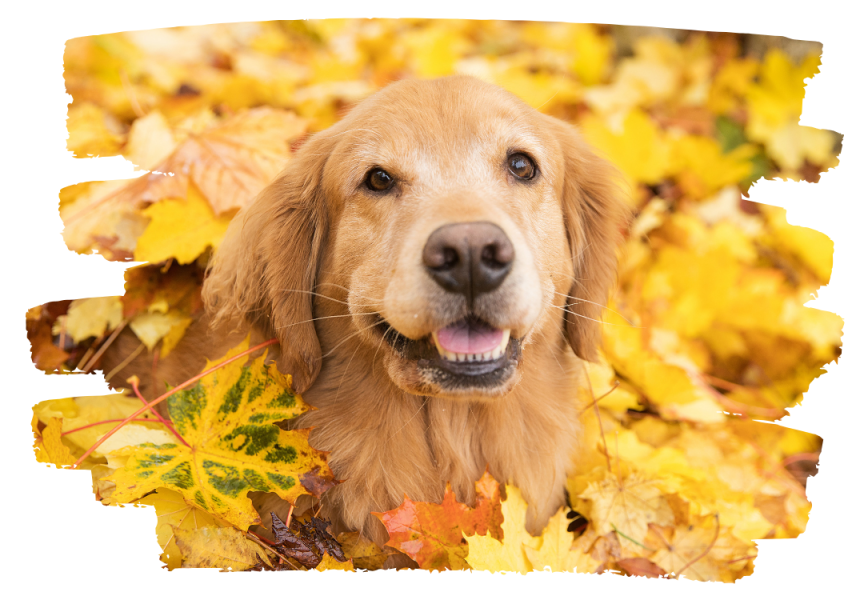

As the seasons change, dogs experience more than just a difference in temperature. Fall can bring shifts in daylight, activity level, allergens, humidity, routines, travel, hunting season, indoor time, and exposure to different environmental stressors. Most healthy dogs adapt well to these changes, but adaptation still requires work from the body. The immune system is constantly monitoring what the dog encounters and helping maintain balance. During periods of transition, several systems may be adjusting at once, which can create additional nutritional and physiological demands.
Seasonal transition is a reminder that a dog’s needs are always evolving.
The weather may change, but good health is built through consistent habits that keep the body functioning.
Support the foundation every day so, your dog is better prepared for whatever the next season brings.
Why Seasonal Changes Can Affect the Body
A dog’s immune system does not work independently. It is closely connected to the digestive system, skin, metabolism, hydration status, and overall nutritional health.
During a seasonal transition, dogs may experience changes in:
- Environmental exposure: Pollens, molds, dust, and other allergens can shift dramatically from one season to the next.
- Skin and coat: Cooler temperatures and lower humidity may affect skin moisture and coat condition, while seasonal shedding increases the nutritional demand of producing new hair.
- Activity levels with the weather changes
- Routine and stress
Individually, these changes may seem small. Together, they can increase the amount of work the body is doing to maintain normal function and resilience.
The 3 Keys to Supporting Your Dog This Fall
1. The Immune System Needs Nutritional Support Every Day
It can be tempting to think about immune health only when a dog becomes sick. In reality, the immune system is active every day and a key regulator in preventing illness in your dog. Immune cells require energy, protein, vitamins, minerals, fatty acids, and antioxidants to function normally. The body also depends on healthy tissues and barriers, particularly the skin and digestive tract, to help manage exposure to the outside environment. This makes consistent nutrition to support normal immune function especially important during times of change.
2. Gut Health Plays an Important Role
A large portion of the body’s interaction with the outside world occurs through the digestive tract. The gut plays a huge role in the immune system! The intestinal lining, resident microorganisms, and immune tissues within the gut all work together to help the body distinguish between nutrients, normal microbes, and potential threats. When digestive health is supported, the body is better equipped to maintain this important barrier. This is one reason probiotics, prebiotics, digestive enzymes, and consistent feeding practices can be valuable components of an overall wellness program
3. Skin Is Part of the Immune Defense System
The skin is another important protective barrier. Healthy skin helps provide a physical defense between the body and the environment. During fall and winter, changes in humidity, allergens, grooming, shedding, and indoor heating can place additional demands on skin and coat health. Adequate nutrition helps provide the building blocks needed to maintain healthy skin, coat, and normal tissue repair. This is also where nutrients such as zinc, manganese, selenium, fatty acids, vitamins, and quality protein contribute as part of a balanced nutritional program for maintaining a healthy skin barrier in the face of environmental challenges.
A Proactive Approach Works Best
The strongest nutritional programs are built before a dog faces a challenge. Consistent nutrition helps maintain nutrient stores, digestive health, skin integrity, normal antioxidant defenses, and overall body condition throughout the year. As fall transitions into winter, simple steps can make a meaningful difference:
- Pay attention to skin, coat, stool quality, appetite, and energy level.
- Continue routine veterinary wellness care.
- Maintain a consistent, balanced diet.
- Keep fresh water available even when temperatures drop.
- Avoid sudden food changes whenever possible.
- Support digestive health daily.
- Adjust calories as activity levels change.