Preparing Your Horse for Winter
Thursday, November 5, 2026
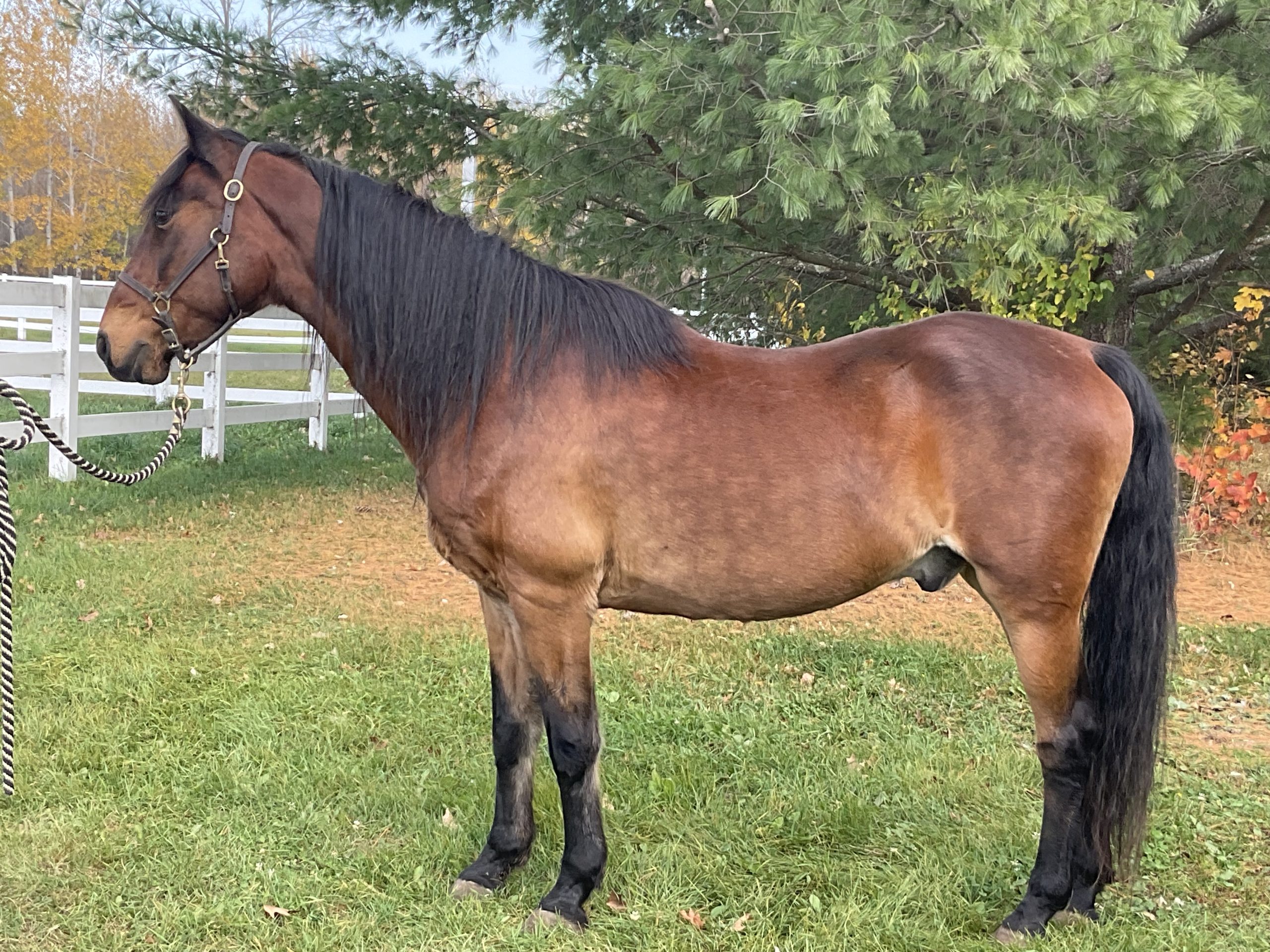
A healthy winter starts with proper nutrition. As temperatures drop and pasture availability declines, horses become increasingly dependent on stored forage. Preparing for winter isn’t necessarily about feeding more, it’s about feeding smarter. Quality forage, balanced vitamins and minerals, and digestive support all play important roles in maintaining health, body condition, and overall vitality.
Forage First: Quality over Quantity
Horses typically consume approximately 2% of their body weight in feed dry matter daily. For a 1,000-pound horse, that’s roughly 20 pounds, with the majority ideally coming from forage.
During colder weather, fiber fermentation in the hindgut produces heat, helping horses maintain body temperature. This makes quality hay especially important.
Investing in better-quality hay can be more economical than purchasing lower-quality hay and compensating with additional grain. More digestible forage provides usable nutrients and energy, potentially reducing the need for concentrates.
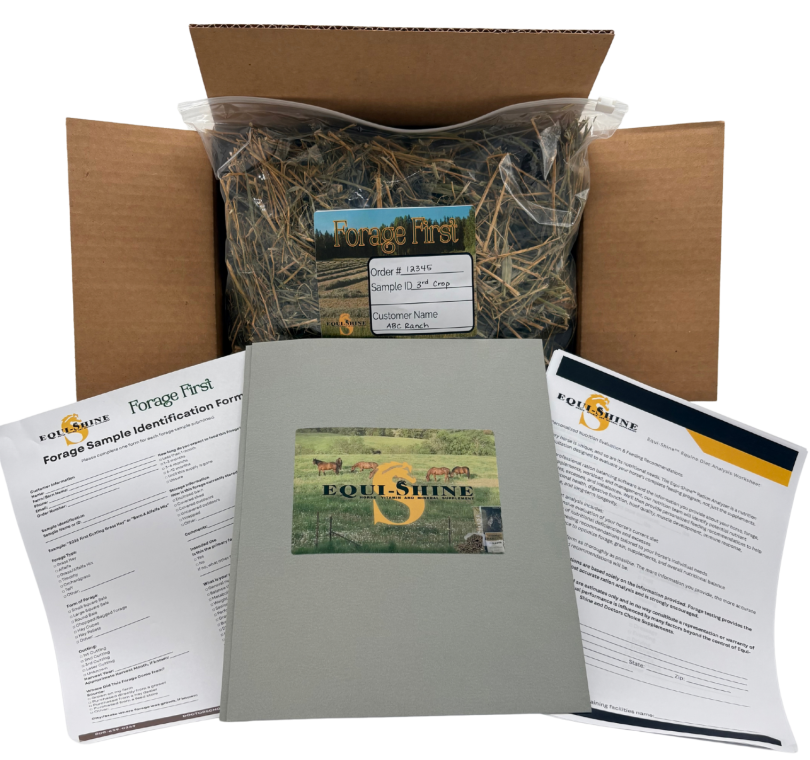
The best way to know what you’re feeding? Test your forage! A hay analysis identifies nutritional strengths and deficiencies, helping you make informed decisions before winter arrives.
Digestive Health: Supporting the Gut
Seasonal changes in forage, feeding routines, and water consumption can affect digestive function. One condition horse owners may notice is Fecal Water Syndrome (FWS), where watery fluid passes separately from otherwise formed manure. FWS differs from diarrhea and can have multiple contributing factors that require individual evaluation.
Prebiotics and probiotics can be valuable components of a digestive wellness program:
- Prebiotics provide nourishment for beneficial gut microorganisms.
- Probiotics introduce specific live microorganisms that may help support normal digestive function.
Equi-Shine’s Daily Start provides daily probiotic support to complement quality forage and consistent feeding practices. Persistent fecal water should be evaluated with your veterinarian.
Fall Sand Exposure: A Hidden Risk
Horses grazing short pastures, sandy dry lots, or eating directly from the ground may accidentally ingest sand. Sand accumulation in the intestinal tract can contribute to irritation, impaction, and colic.
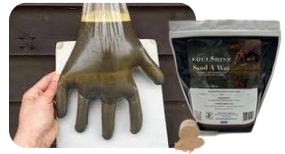
Try a simple manure sand check: Mix a few fresh manure nuggets with water in a clear glove or bag. Allow the mixture to settle for several minutes and look for sand collecting at the bottom. This can indicate sand passage but cannot reliably measure intestinal sand accumulation or rule it out.
To reduce exposure, use elevated feeders, hay bags, or slow-feed barrels. Psyllium-based management, while maintaining good forage and digestive nutrition practices with added probiotics can help ease the challenges seen with sand exposure.
Shortening daylight hours trigger winter coat growth, but proper nutrition supports healthy skin and hair development.
Essential trace minerals, particularly zinc, copper, and manganese, contribute to skin integrity, coat quality, and normal cellular function. Equi-Shine provides balanced vitamin and trace mineral supplementation to help complement the forage-based diet.
Remember that a thick winter coat can conceal weight loss, making routine body condition checks especially important.

Feed Smarter, Not Just Cheaper
When evaluating feeds and supplements, focus on cost per day, not just cost per bag. A more expensive product may actually be more economical if the recommended daily feeding rate is lower. Consider the entire diet, nutrient delivery, and overall feeding costs when making decisions.
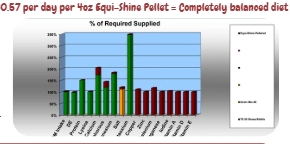
At Equi-Shine, we believe proactive nutrition is one of the best investments you can make in your horse’s long-term health. Our Forage Analysis Service and personalized Ration Analyzer help take the guesswork out of winter feeding, ensuring your horse receives the nutrition it needs without unnecessary expense.